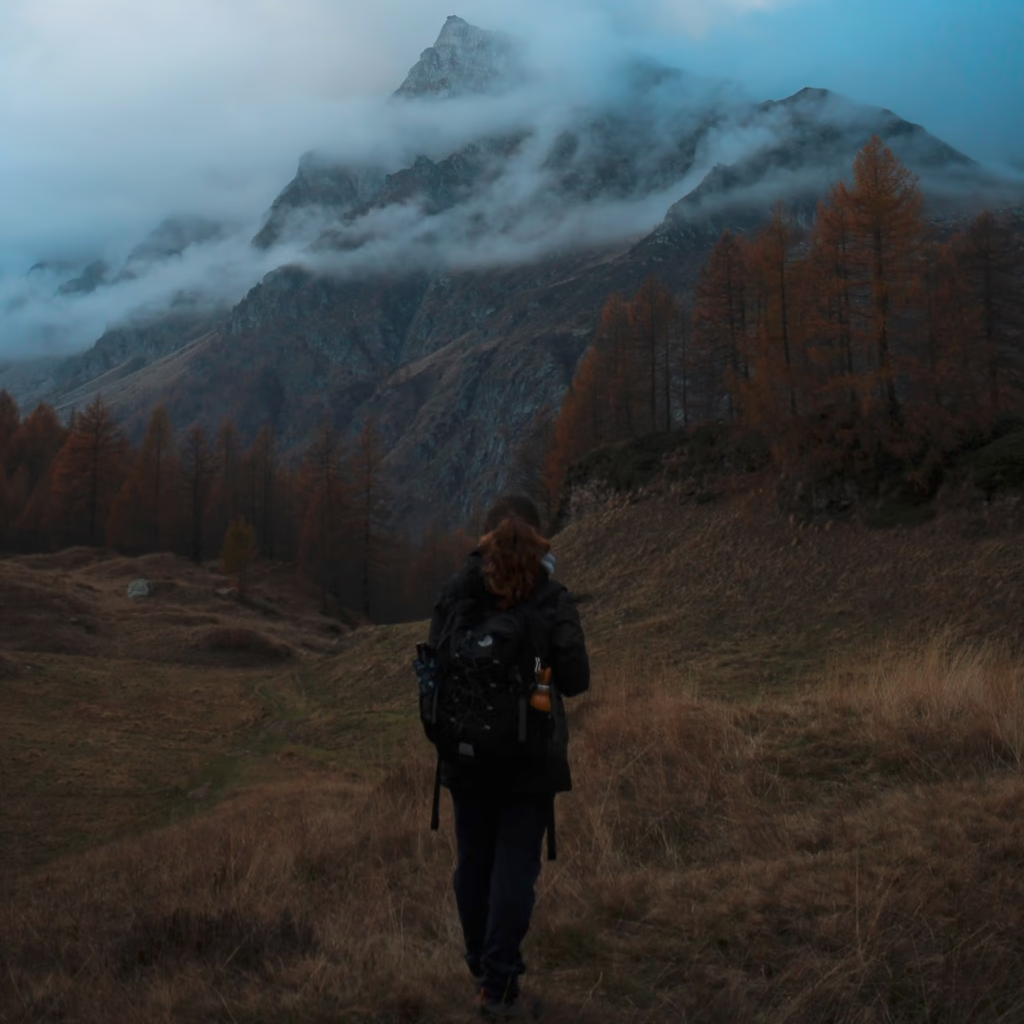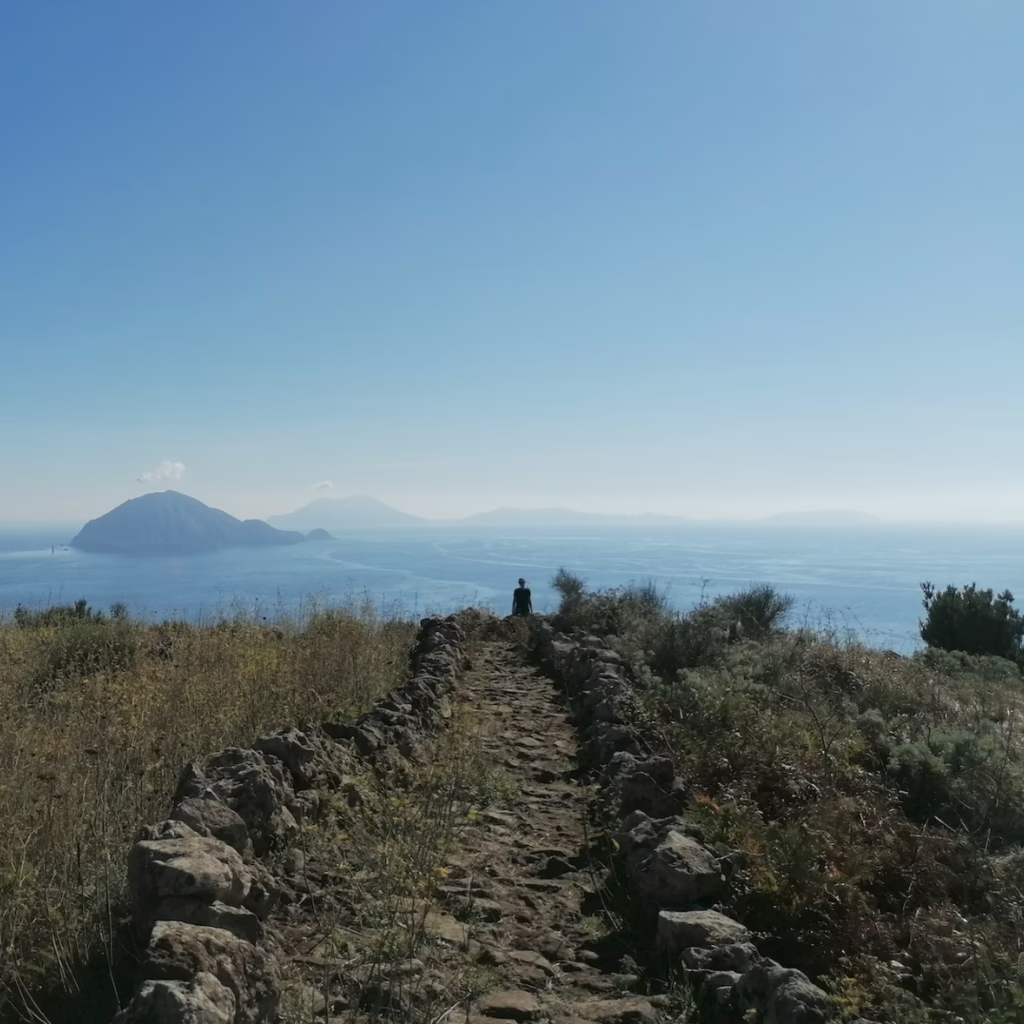
Reading books is presented as an adventurous journey that brings learning, companionship, and personal growth; the author encourages beginning with guided, group experiences to feel safe and supported, while noting that solitude can be beneficial but also challenging if not well‑prepared; through narrated or spoken storytelling, we gain knowledge much like walking the path of history itself, and when we face stress, poverty, or loneliness, the act of listening to stories becomes a natural remedy that lifts our spirits and connects us to giants who have walked the same trails before us.