Archive
Page 33 of 95
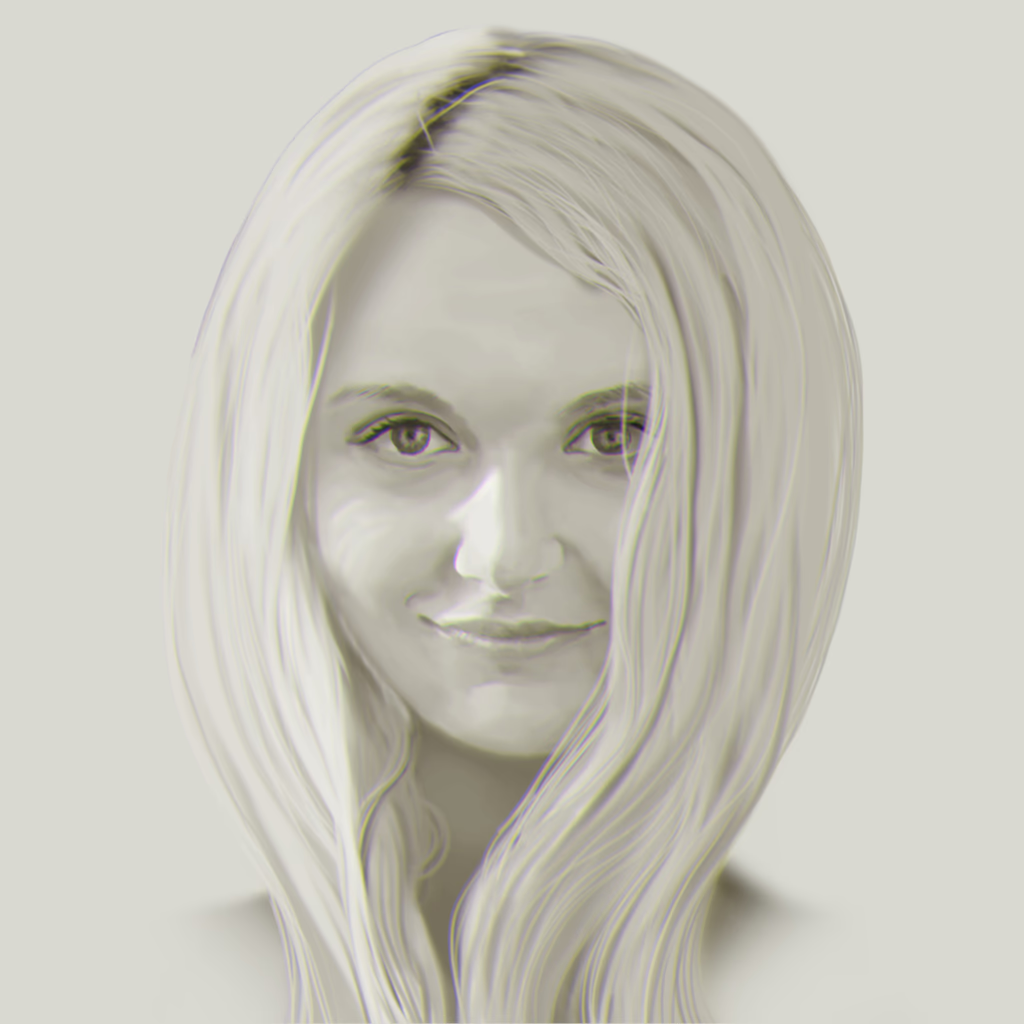
The post explains a fast digital painting workflow that begins with creating a blackâandâwhite version of an image to establish its value (brightness) study, then adding a color layer in âColorâ mode so that the computer replaces each pixelâs value with the underlying grayscale values while keeping the chosen hue. By first laying out shadows, midtones, lights and highlights on the monochrome base, the painter can later apply any desired colorâwhether itâs flesh tones or other huesâwithout worrying about saturation because the tonal information comes from the lower layers. This technique mirrors traditional valueâstudies used by Old Masters but streamlines the process for modern graphic programs.
The post whimsically describes a Groundhog who controls the weather, predicting that it will change only after he receives his tax return; the narrator humorously details the Groundhogâs needsâmoney, diamonds, and even troutâto keep the cycle going, suggesting that as long as the creature has enough resources, it will continue to bring winterâs snow until the spring arrives.
Poverty and war shape the way we see ourselves, while our birthplace determines our religion, intelligence, and sense of safetyâyet these are not who we are but what culture impresses upon us. The road humanity walks is paved by those who accept contradictions; it isnât perfect, but it beats a world of imagined borders and endless wars. Science is ignored, liars win politics, and povertyâs grip on the mind produces divisions based on skin color, faith, or invented lineagesâdivisions that can be healed only by learning, art, and courage. By reading books and seeking wisdom we become great beings; our responsibility is to end poverty, build a culture of education, and prevent wars for decades to come.
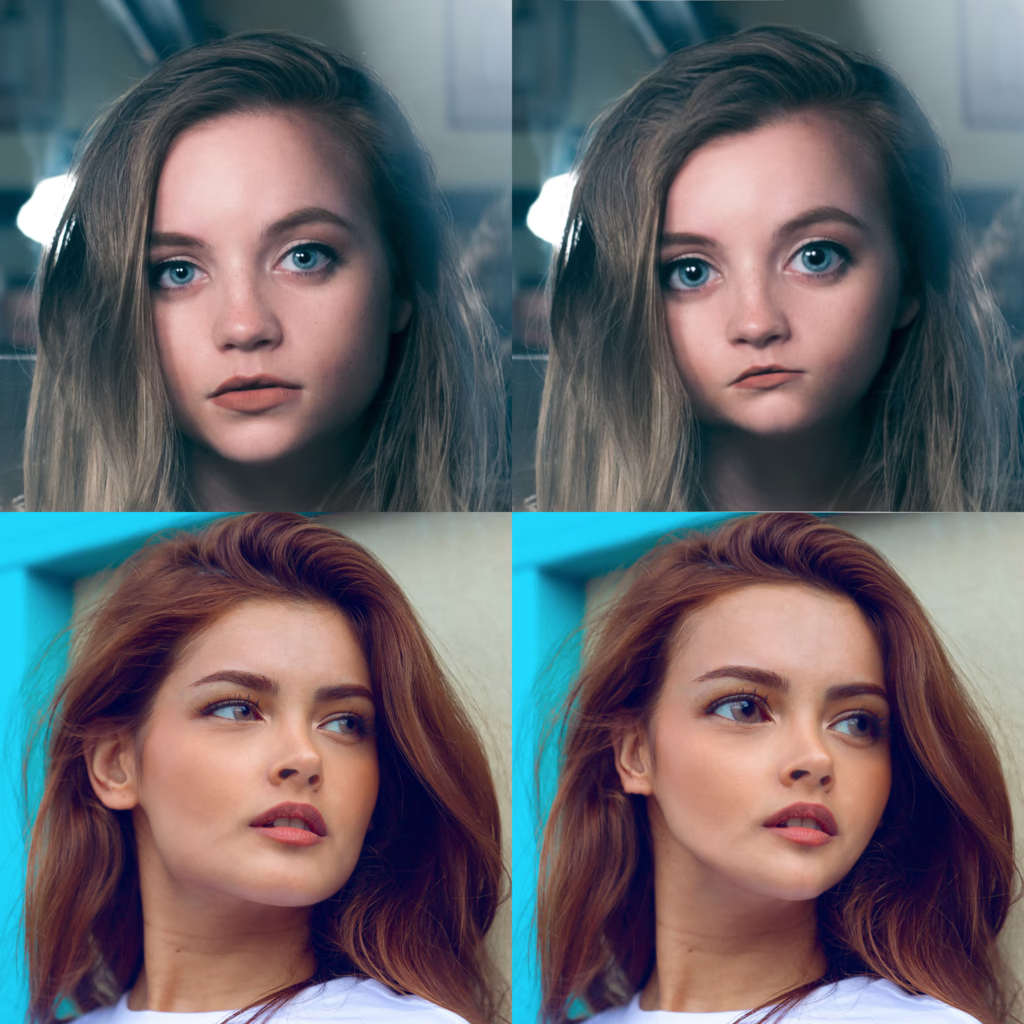
The post explains that recognizing faces in real life relies on many angles, whereas a single photo gives only one view that can be further distorted by lenses, software, lighting, focus, color, and expression; to overcome this, the author suggests using photogrammetry with neutral lighting and free tools such as Meshroom, Blender, and PrusaâŻSlicer to build a 3âD model of a portrait, which then allows you to see the subject in three dimensions and understand its main angleâso even if your painting starts from one photo, you should gather several minutes of video and dozens of photos taken at slightly different angles and lighting. The author notes that seeing multiple shots can sometimes make people look like twins, a common problem in art when reproducing the wrong âtwin.â Finally, he argues that stylised paintings are as valuable as hyperârealistic ones; capturing a stylised eye while keeping the subjectâs appearance takes time but is part of learning and bridges the journey from hyperârealism to beautiful stylisation.
The poem celebrates the endless directions of art, describing each painting as a gateway to a new story told in its own styleâwhether nightâlit, misty mountains, or sunny facesâand noting how photographs can serve as foundations for these works. It reflects on the many languages of artistic expression that evolve over time, with artists learning through repeated attempts and building upon earlier styles, while sharing their journeys helps others follow the creative path.
#0775
Artistic Meows
The post reflects on the artistâs evolving practice: starting from a freehand sketch that landed a blue nose close enough to a cucumber shape, the writer notes that twenty portraits seem like a âmagic numberâ for honing technique. They claim sculpting was surprisingly easy and errorâfree, yet freehand still falls short of capturing real people, faces and placesâso practice through mastering masterpieces is essential. The next phase involves painting metal, glittery makeup or shiny dresses, especially armor that reflects light and feels majestic; goldâs hue emerges from a mix of six colors with reflective quality. Painting portraits extends beyond the face: filling all space to tell stories of superpowers, mystery, glory, and making the owner smile through colorful style. The writer concludes perfect portraits are just the start of mastery, urging painters to keep refining and painting rather than relying on photos.
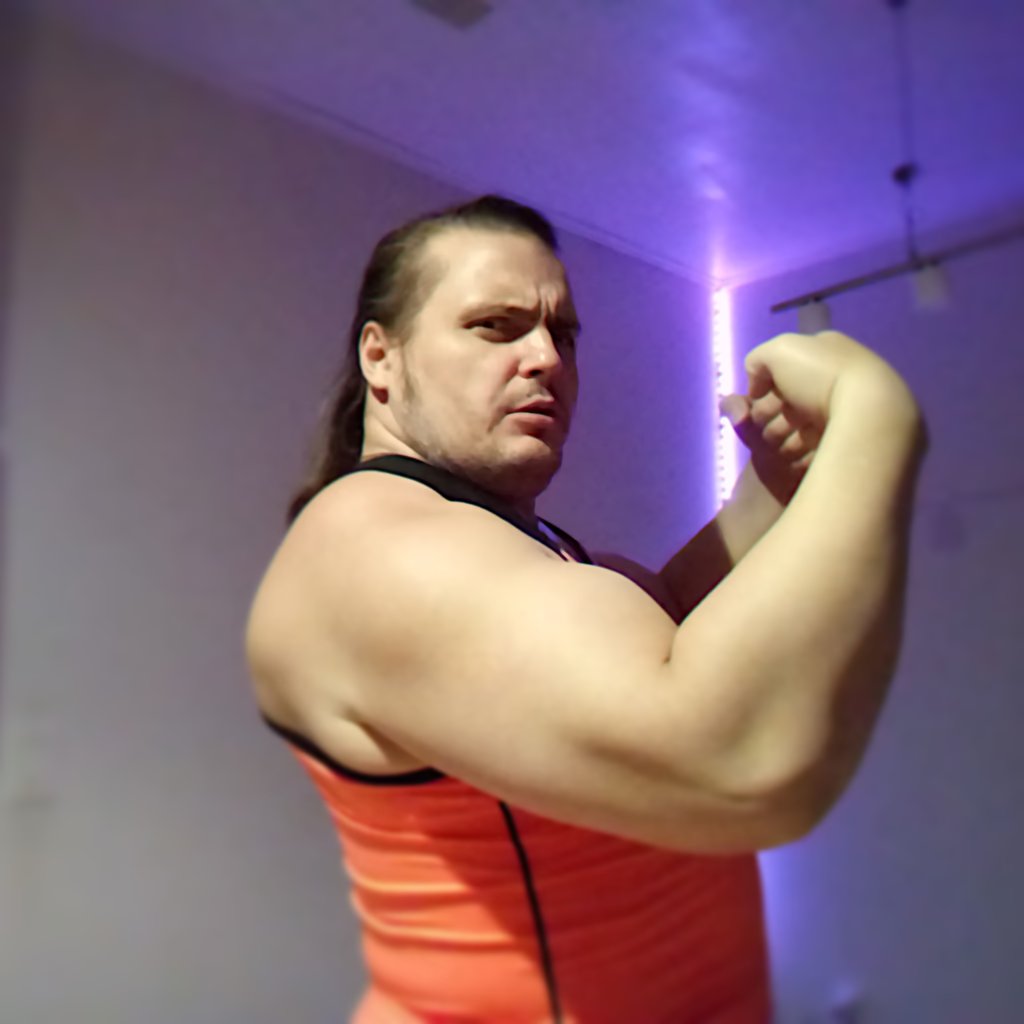
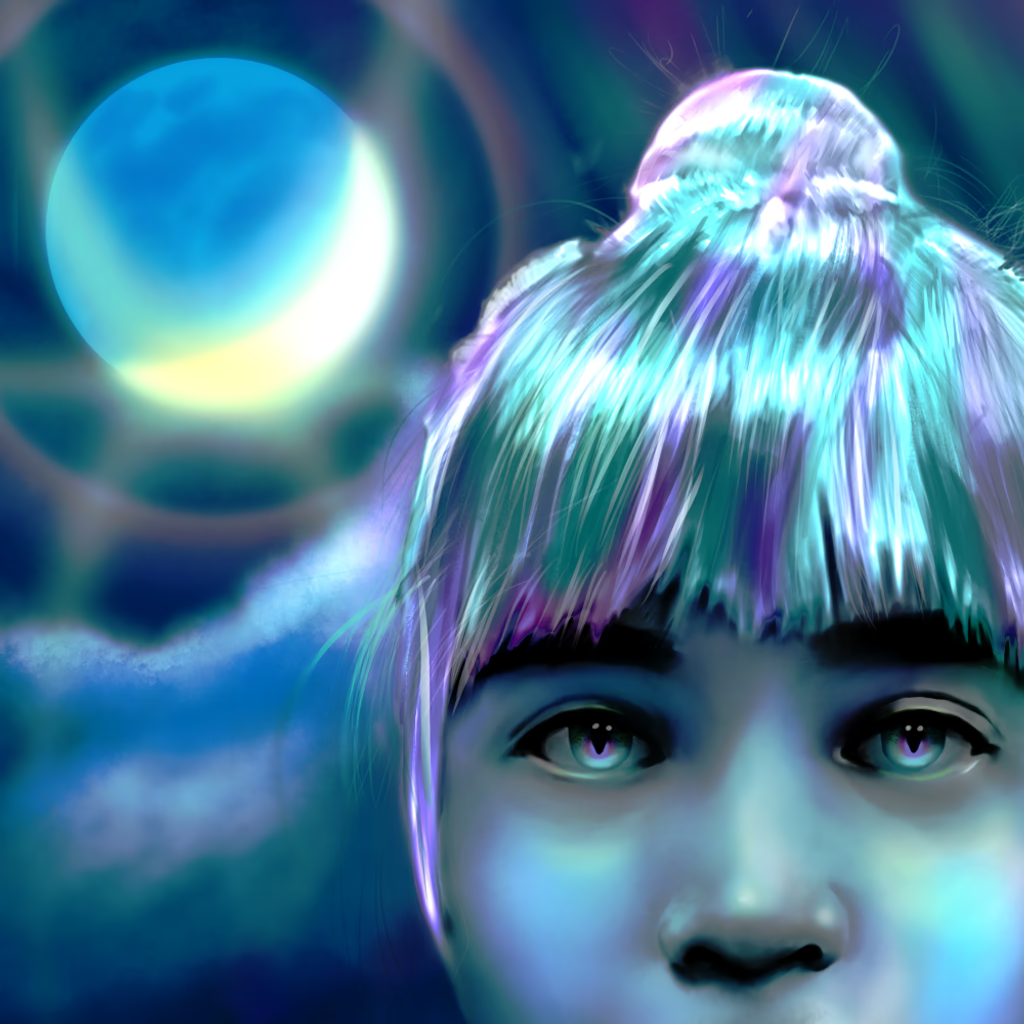
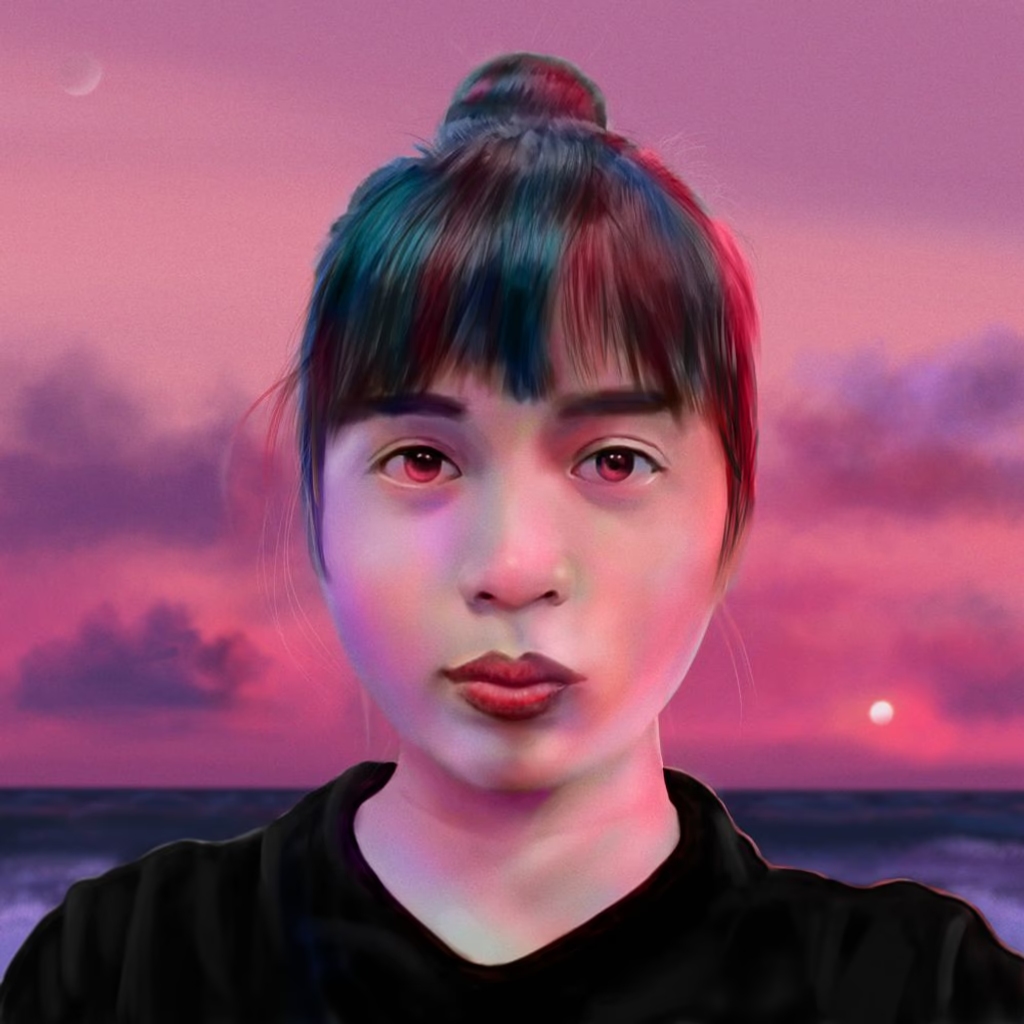
After a workout I found myself inspired by the glowing eyes of digital fantasy art and tried to apply that effect to a portrait of my own face. The initial resultâblueâglowing skinâlooked striking, but after reflecting on how the subject would feel it became too dramatic and unprofessional; removing most of the glow brought back recognizability while keeping the idea of a âpowerful guardian.â I learned that adding glow isnât just about brighteningâitâs about layering subtle color swipes over a dark background to create a natural light, and that less is more. Using reference photos keeps faces from becoming distorted, and when painting at night you can give a magical feel with careful color choice: blue gives a cold, alien tone while red feels warm and friendly. The post concludes that if a client asks for a nighttime portrait, itâs an opportunity to produce a fairyâlike imageâprovided the subject knows what theyâre gettingâand that the artist must respect the person being painted before adding such glowing effects.
The post contrasts lowâlevel and highâlevel programming languages, emphasizing how higherâlevel languages let developers work with objects like windows and files instead of raw hardware calls. It explains that in objectâoriented systems you can create UI elements (e.g., a window that opens when its title exceeds two words) and chain actions through before/after hooks, building more complex objects from simpler ones. The author then describes an envisioned platform where developers use simple âpackagesâ to encapsulate tasksâsuch as converting images or generating programsâwhich bots automatically process in a pipeline of rooms (like assembly lines). The architecture relies on distributed selfâprovisioning servers and pixelâart UIs, with users, bots, and factories collaborating to automate workflows without leaking abstractions.
The post argues that many art schools teach âcolorâpickingâ and âpaintâoversâ as if using original hues or reference images were wrong, and they fail to show the beauty of capturing light through a lens or a camera file. The author claims true shape work needs photogrammetry or 3D modelingânot simple gridsâand that teachers who claim credit for this process are merely elevating themselves. By using real colors and references one can unlock a powerful âteacherâ inside each artist, rather than being shamed into elitist tricks; the writer cites Richard Dawkins as an example of how to counter such critics with a video link. In short, the post urges artists to use genuine color and accurate shape capture to break free from schoolâshaped shame and reclaim their innate artistic power.
This post argues that painting should be approached by layeringâstarting with basic elements such as face, body, and backgroundâand building the image stepwise rather than committing to a full sketch first. By treating each layer as an interactive decision, the artist can adjust pose, attitude, and composition on the fly, much like playing chess or conversing with the work itself. The author contrasts this method with traditional school practice of laying out the scene in advance, claiming that true composition evolves through continuous mediation. In digital painting, the canvas is effectively infinite and the brush can render microscopic detail, giving the artist a âsuperpowerâ to refine and reshape the image at any time, echoing Leonardoâs desire for precision yet allowing modern flexibility beyond his eraâs tools.
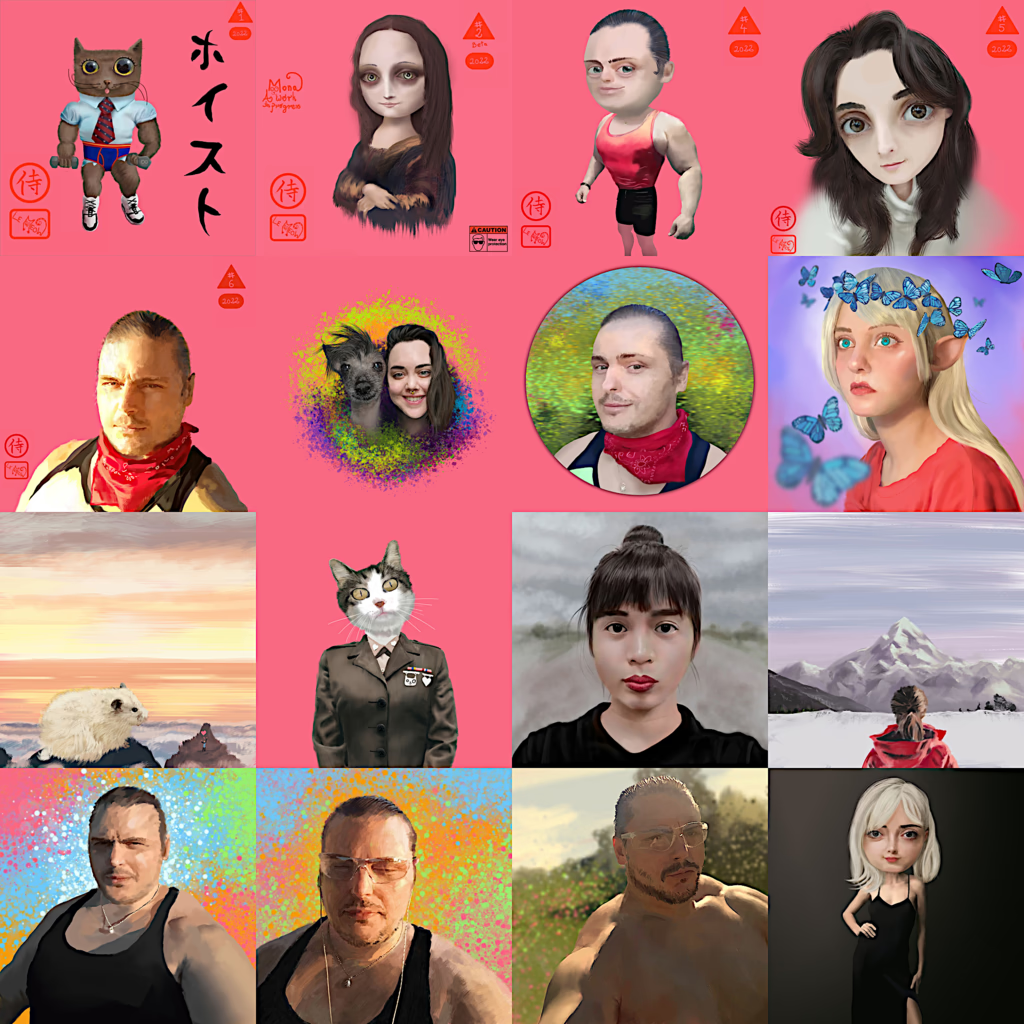
The author reflects on a disciplined painting routineâtwo days of work, two days of rest, producing a new canvas every four days over a 75âday spanâand shares sixteen pieces as evidence of their process. They feel alienated from the art community, having been banned from a forum after criticizing âart teachersâ and plan to publish pictorial tutorials (infographics rather than videos) covering Impressionism, Hyperrealism, and Pop Surrealism, hoping students can jump straight into advanced styles without basic exercises. The post asserts that these sixteen works represent true results of real education and defines a masterpiece as a multiâcharacter scene that baffles viewers, invites copies, and âhas legs.â Finally, the writer imagines an ideal masterpiece that would illustrate global progress beyond poverty, climate change, and war, serving as a concept map for collective growth.
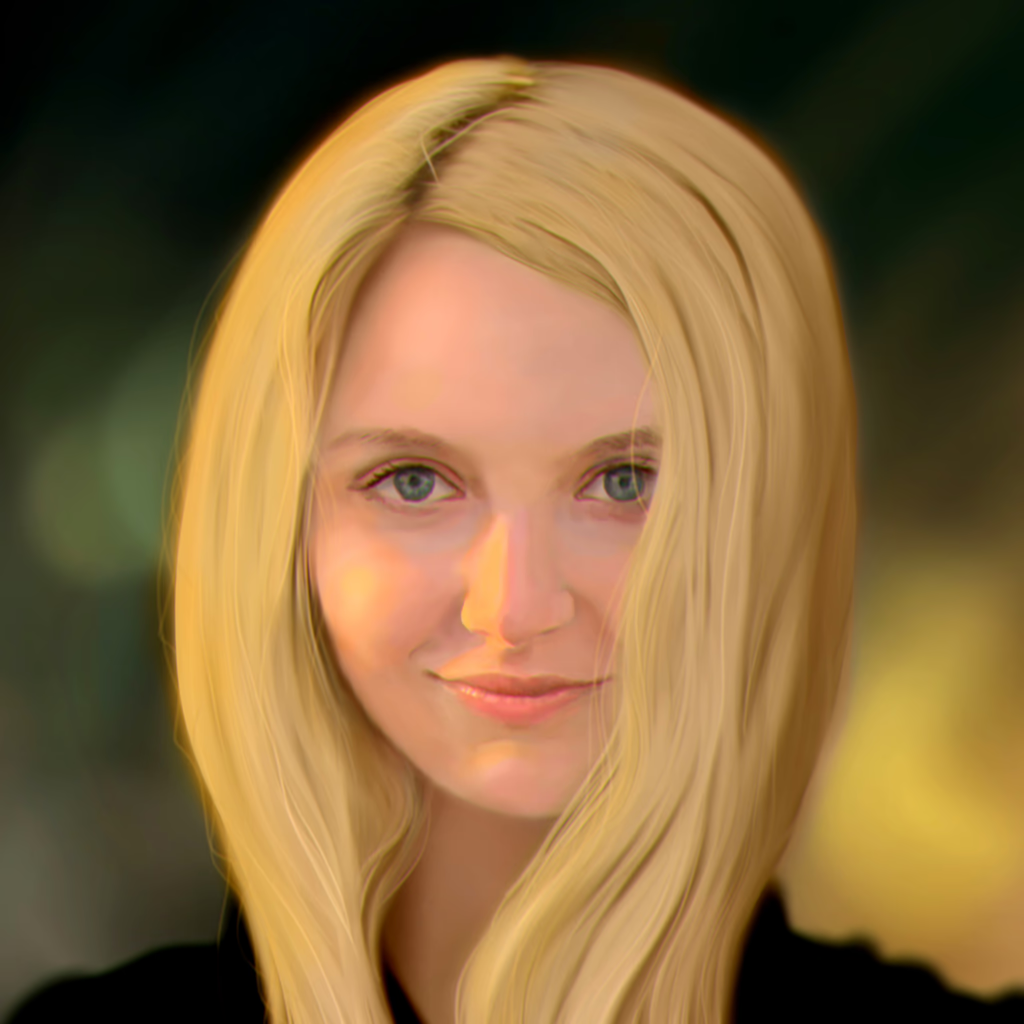
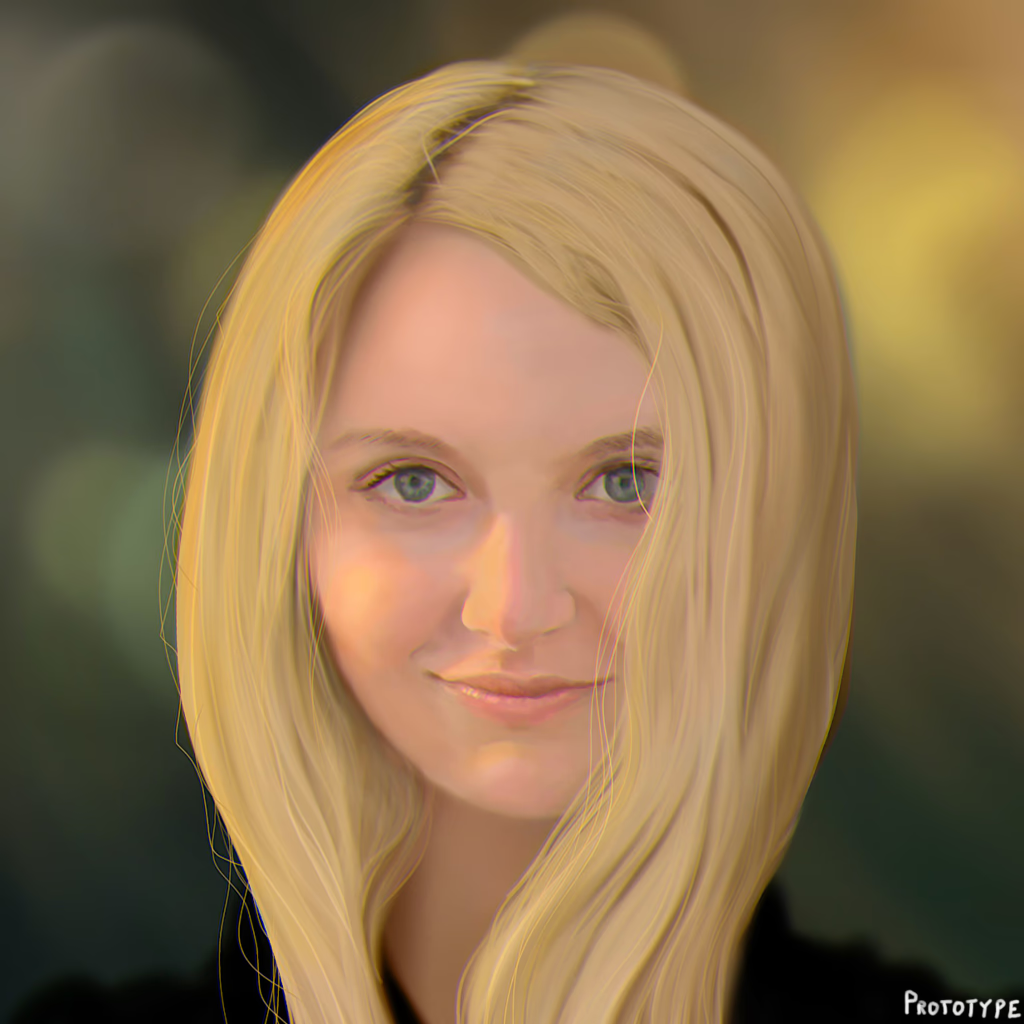
In this poetic post the author reflects on the art of painting hair, noting that successful portraits require capturing hairâs structure and shine with precise brushworkâoften using an airbrush rather than individual hairsâand that each style demands careful layering of strands to avoid flatness. He explains that while quick sketches can suffice, true fidelity comes from meticulous attention to detail, especially when viewing reference photos, and he encourages artists to keep practicing and trust their hearts. The post concludes with links to a title image contest entry, a related contest submission, and a timeâlapse video of the painting process.
#0768
The Triumphant Painter
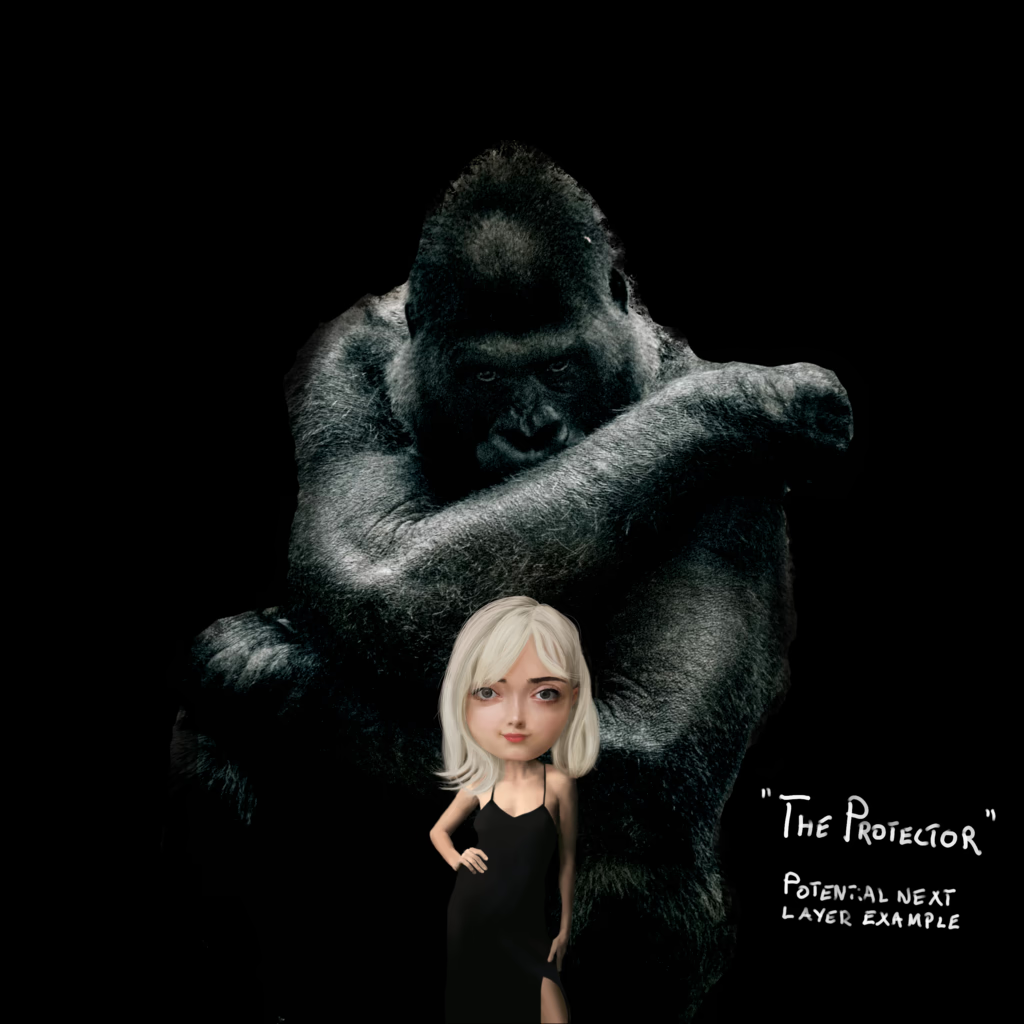
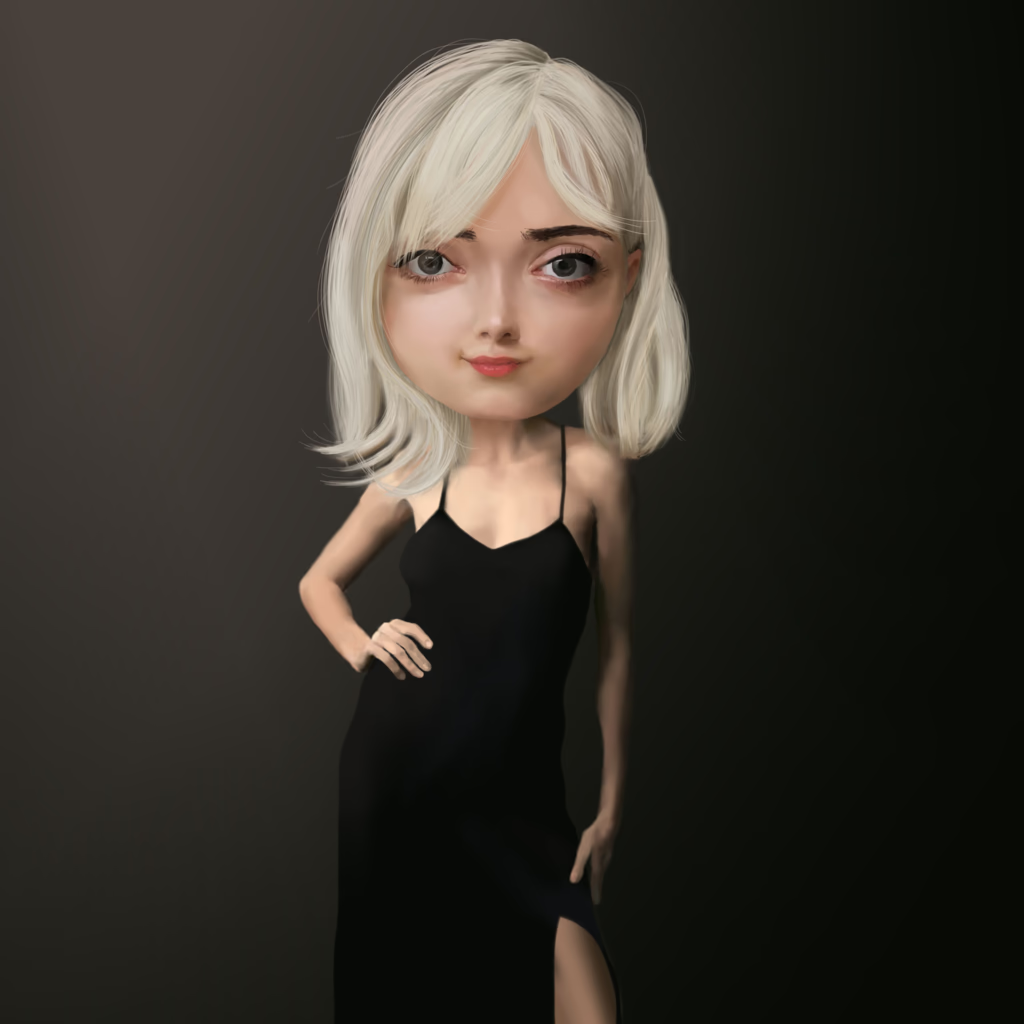
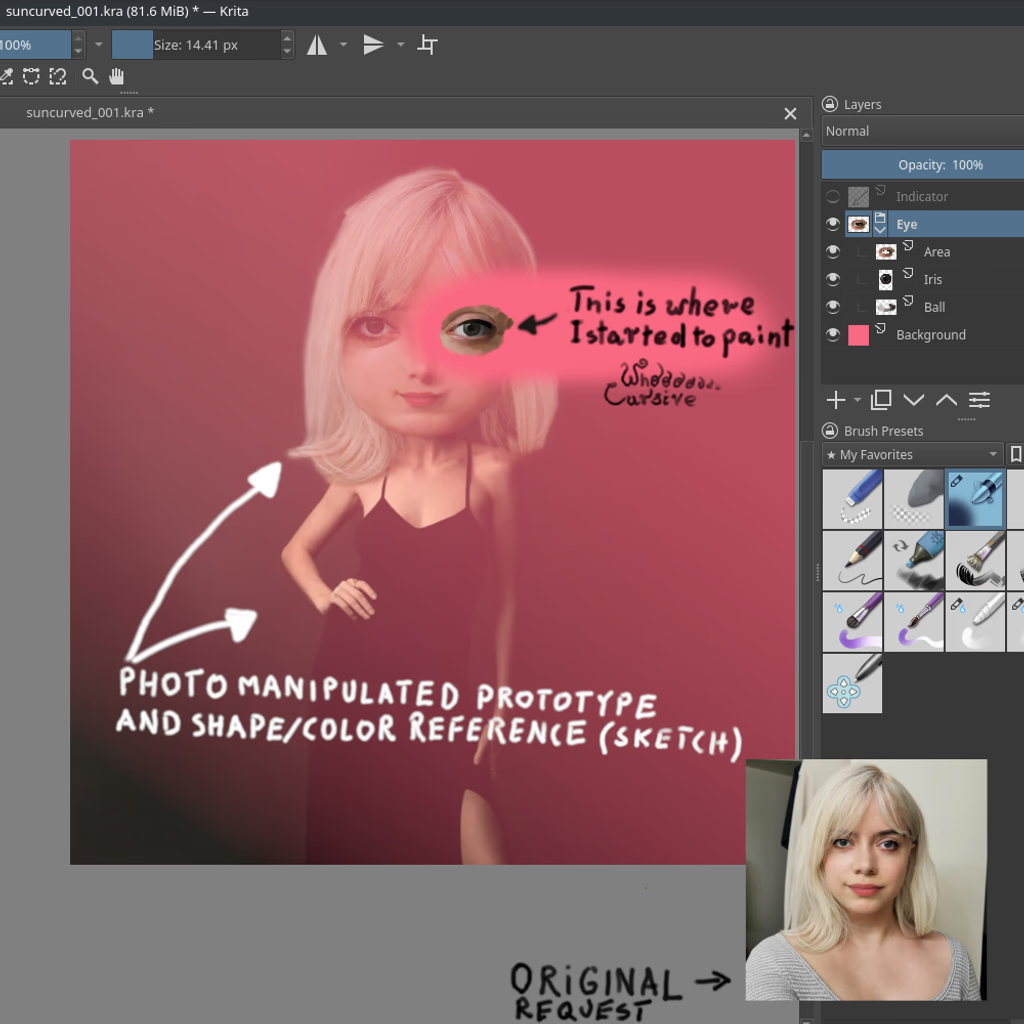
The post outlines a detailed multiâstep workflow for creating highâvalue digital paintings: it starts with selecting a cohesive theme for a series, then builds photoâbashing prototypes and advanced digital sketches that serve as precise color and shape references; these layered images guide the final painting, which is finished either as a single copy or in limited runs (e.g., 500 copies) and paired with custom frames that echo the seriesâ concept. The process emphasizes using digital tools to keep layers intact, experimenting with techniques like printing on multiple panes of glass for depth, and ensuring meticulous precision throughout. It stresses the importance of a smooth workflowâfrom initial photoâbashing through final executionâso the artist can focus on client portraits without frustration. The post also highlights how selling such work under tight deadlines can drain joy but points to financial benefits that support lifeâs essentials. Finally it encourages drawing inspiration from literature, films, and cartoons to weave a unified popâsurrealist narrative that captivates galleries, proving digital painting as an upgradeânot replacementâof traditional art.
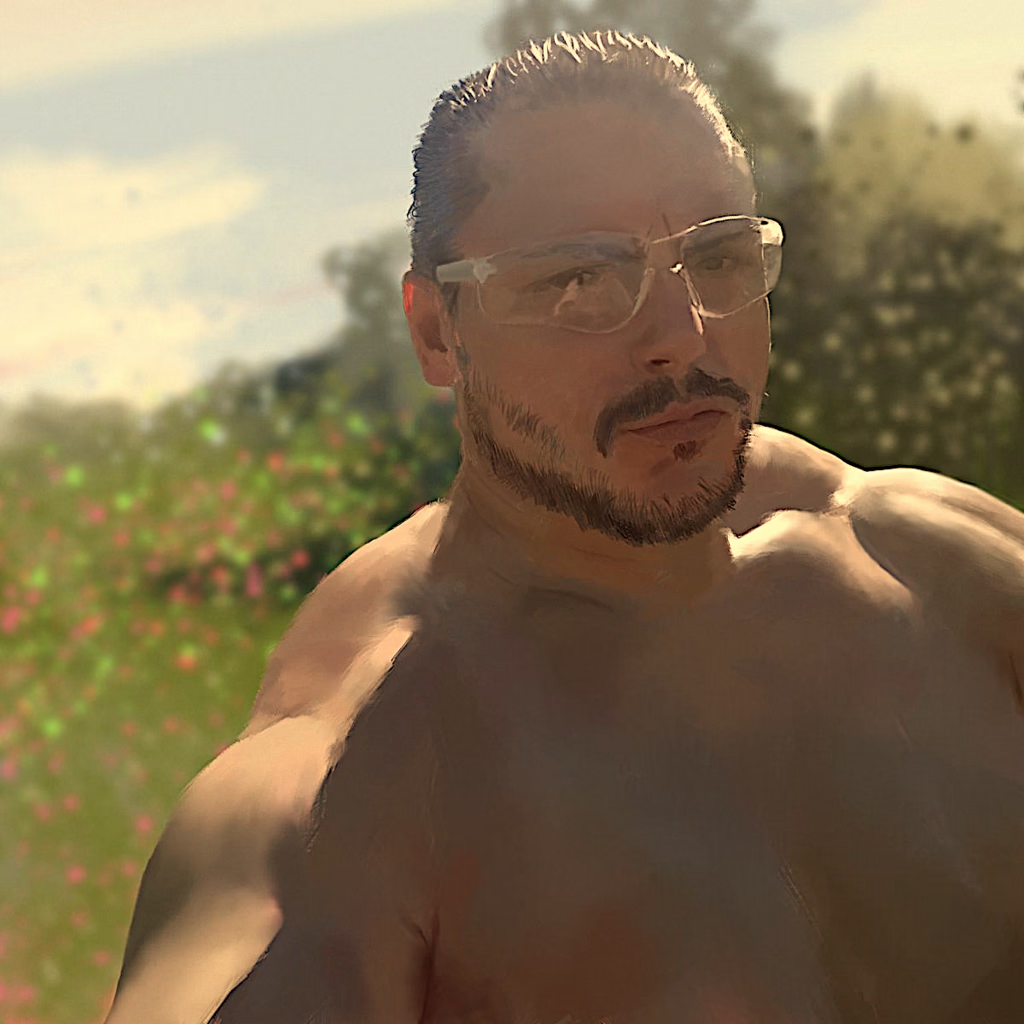
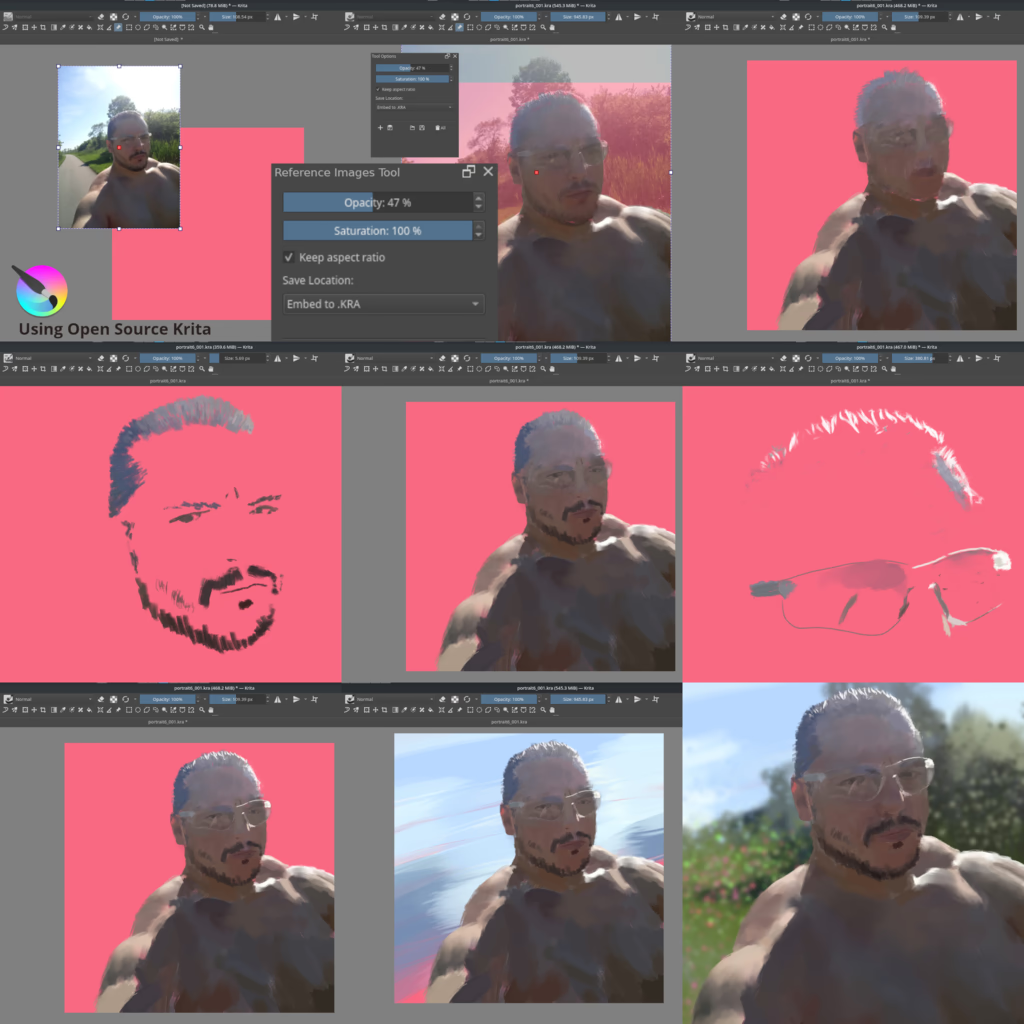
The post explains how to turn a simple outdoor sketching session into a polished digital painting: start by gathering the right toolsâbike, camera or phone with wideâangle lenses, and plenty of snacksâand head out to a sunny park where youâll take several reference photos under natural light, aiming for strong shadows and highlights. Once you have your shots, open Krita, overlay them at 50âŻ% opacity to guide shape and color, tweak the photoâs temperature if needed, then sharpen and add subtle noise before painting. By combining careful preparation, good lighting, and a solid reference workflow, youâll capture expressive line art that feels natural and full of atmosphere.
The post introduces an accessible digital painting technique that lets anyone learn shape and color by using a freely drawn sketch or a color study as the starting point, avoiding strict use of grids or measured proportions. It encourages artists to load a sunny selfie into Kritaâs Image Reference Tool, stretch it across the canvas, and then extract shapes and colors from that reference rather than tracing directly with projectors or semiâtransparent overlays. The author argues that this method has been employed by masters like Vermeer (using a camera obscura) and is now democratizing art so every person can master painting through practice, free of jealousy or ego, and that the digital medium offers a revolution where reference images become primary tools for learning and creation.
The author reflects on how Impressionist paintings, though seemingly incomplete with rough brushwork, convey realism by capturing key details like the corner of an eye rather than precise outlines; they argue that this style functions like a compression algorithm for oils, allowing speed without loss of likeness. They note that viewers focus on overall impression rather than exact detail, and cite visual tricks such as the checkerâshadow illusion and moonâsize illusion to illustrate how perception can mislead. The piece concludes by praising digital toolsâcolor picking and reference overlaysâthat enhance Impressionist technique, and suggests that producing several quick Impressionist sketches can inform a later hyperrealistic work.
The post describes how an impressionist painting feels alive and responsive to its environmentâits shadows shift with light, color depends on monitor calibration, and printed copies often lose that subtletyâso the artist must listen to the workâs âvoiceâ and adjust or add details until it settles into a quiet contentment. It frames this creative dialogue as a dance between painter and canvas, where the image asks for help, the artist speaks back, and through careful tweaking the painting eventually stops demanding more before it reaches hyperrealism. The poem also reflects on how art captures the likeness of its subjects, how our mindsâbeyond atoms and evolutionâengage with this beauty, and how a finished piece feels less like a photograph and more like a living conversation between humanity and the universe.
#0762
The New Leaders
In the post, the author argues that war is a universal loss for all parties and that its causes lie in shortsighted politics, propaganda, and inadequate educationââpoliticians playing ticâtacâtoeâ while âliars break the system.â He proposes that only through a global schooling system where citizens vote on what lessons matter, combined with povertyâs end and genuine learning, can young people become the next generation of leaders who see themselves as one family and act with foresight. In this view, youth are the true agents of change: by rejecting rote memorization, mandatory service, and nationalism they will build a future where education and shared prosperity replace war and shortâterm political games.
The post outlines a process that starts with painting real facesâmaking them smile or shine as starsâwith minimal distortionâand then enhances those portraits by adding a thoughtfully blended landscape background; this is done by layering the portrait over a stretched reference image of a suitable landscape, ensuring color harmony and simplicity between foreground and background. From there it moves into hyperârealism, where control and mindful layering keep the artwork grounded, before finally inviting the artist to step into surrealism, creating new consistent universes that weave together stories, humor (e.g., monsters with a comedyâhorror spin), and philosophical themes across a series of paintingsâultimately offering a free hand to build an unforgettable adventure in the multiverse of surreal art.
#0760
Narrated Books
Books are portrayed as the essential fuel for human growth, enabling us to stand on the shoulders of great writers and inherit multiple lifetimes of wisdom; they are described as a treasure found freely in libraries, offering both written and audio experiences that deepen our understanding of philosophy, science, and lifeâchanging biographies. The post emphasizes that true learning comes from engaging with these worksâthrough reading, listening, and reflecting on the thoughts of mastersâand that this process is far more fruitful than any alternative; by appreciating books fully, humanity can truly expand and shape a brighter future.
#0759
Making Mountains
I set my brushes aside years ago, convinced that digital painting could simplify color work by using tools like color pickers and reference images; after mastering keyboard shortcuts I realized the process is straightforward, especially for landscapes where a photo provides accurate hues and shapesâso I began creating hyperârealistic mountain scenes, capturing their changing colors under light and mist. The simplicity of selecting base colors from a photograph made the task easier than portrait work, allowing me to produce title images for poems and detailed backgrounds with confidence, proving that digital painting can be an accessible path for artists who have always worked with color theory.
The post argues that a âcollege courseâ or âschool classâ can only be truly understood through concrete examples rather than abstract definitions, and it criticizes the current state of formal education as being overly theoretical, fraudulent, and disconnected from genuine learning. Using three illustrative projectsâdigital painting with reference layering in Krita, 3âD modelling and printing that lets students physically hold their creations, and programming with JavaScript to explain mathematicsâthe author shows how real results and handsâon practice can ignite the studentâs soul and make lessons meaningful. He then proposes a âGrowing Upâ class that tackles everyday cultural habits and mistakes so learners can avoid common pitfalls; he believes such a course would unite people in peace, knowledge, wisdom, and greatness, and that modern schools need to move from memorization to understanding for each learner to thrive.